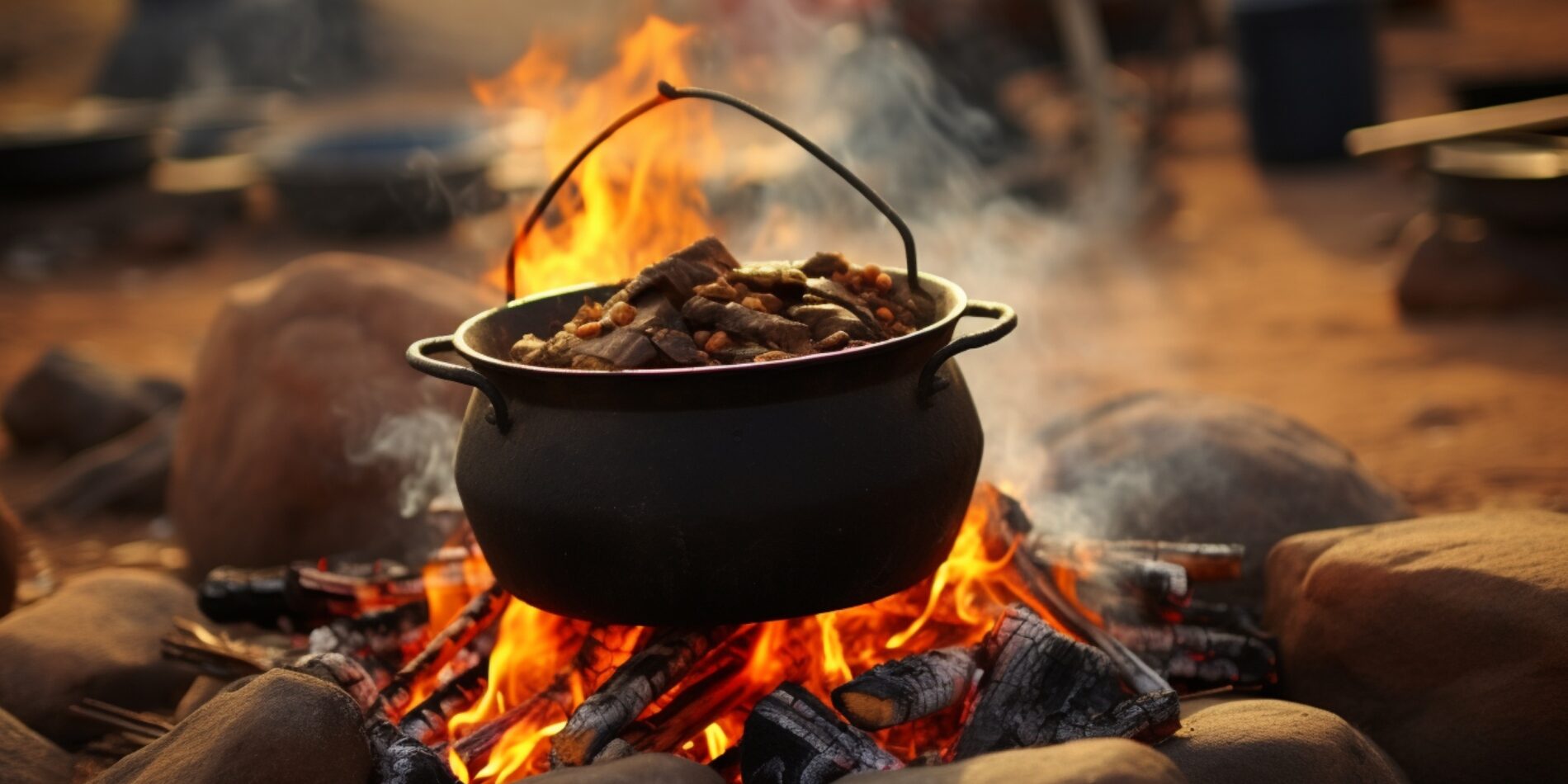
The Cooking Maasai Food Class is an immersive culinary experience that offers participants a chance to explore the rich flavors and unique ingredients of traditional Maasai cuisine. This activity goes beyond simply preparing food; it’s a journey into the heart of Maasai culture, where food is more than sustenance—it’s a way of life, a means of connection, and a celebration of heritage.
Exploring Traditional Ingredients
The class begins with an introduction to the key ingredients used in Maasai cooking, many of which are sourced directly from the local environment. Participants will learn about the significance of these ingredients in Maasai culture, from the staple grains and legumes to the wild herbs and spices that add distinct flavors to the dishes.
The Maasai diet traditionally includes a variety of meats, milk, and blood from their cattle, which are considered sacred. However, due to the diverse audience at Mara Matinée, the cooking class focuses on dishes that highlight the use of vegetables, grains, and dairy, offering a broader appeal while still staying true to the essence of Maasai cuisine.
Hands-On Cooking Experience
Under the guidance of a Maasai chef, participants will have the opportunity to prepare a selection of traditional dishes. The cooking process is hands-on, with everyone involved in chopping, stirring, and seasoning the food. The chef will share traditional cooking techniques that have been passed down through generations, such as how to cook over an open fire or the best way to prepare certain ingredients to bring out their natural flavors.
One of the highlights of the class is learning how to make nyama choma (grilled meat), a popular dish in Kenyan culture. The chef will demonstrate the traditional way of grilling meat over an open flame, using simple yet effective techniques that result in perfectly cooked, flavorful meat. Participants will also learn how to make ugali, a staple maize dish, and sukuma wiki, a savory vegetable stew made with collard greens.
Cultural Significance of Food
Throughout the class, the chef will share stories and cultural insights related to the food being prepared. Participants will learn about the rituals and traditions associated with meals in Maasai culture, such as the communal aspect of eating and the importance of sharing food as a way to strengthen social bonds.
The experience is not just about cooking; it’s about understanding the role food plays in the daily lives of the Maasai people. By the end of the class, participants will have a deeper appreciation for the simplicity and richness of Maasai cuisine and the cultural values it represents.
Tasting the Fruits of Your Labor
Once the cooking is complete, participants will sit down to enjoy the meal they’ve prepared together. This communal dining experience is a key part of the activity, reflecting the Maasai tradition of sharing meals as a way to build and maintain relationships within the community. As you savor the dishes, you’ll have the chance to discuss the experience with your fellow participants and the chef, deepening your understanding of Maasai culinary traditions.
A Recipe to Take Home
At the end of the class, participants will receive a recipe booklet featuring the dishes they prepared, along with additional traditional recipes to try at home. This booklet serves as a memento of the experience and allows you to recreate the flavors of the Mara in your own kitchen.
Conclusion
The Cooking Maasai Food Class at Mara Matinée is more than just a cooking lesson; it’s a cultural experience that connects you to the traditions and values of the Maasai people through the universal language of food. It’s an opportunity to learn, create, and share, all while gaining a deeper appreciation for the role of food in Maasai culture. Whether you’re an experienced cook or a beginner, this class offers a unique and enriching experience that will leave you with lasting memories and new culinary skills to take home.