Known for their striking customs, colorful attire, and deep connection to the land, the Maasai are one of Africa’s most iconic tribes, and their culture is intertwined with the very fabric of the African tradition. If you’re planning to explore Maasai through a cultural lens, here’s a guide to help you plan the perfect journey that blends wildlife and heritage.
1. Decide the Best Time to Visit for Cultural Experiences
The Maasai culture can be experienced year-round, but timing your visit can enhance the depth of your cultural interactions.
- Peak Season: Many travelers visit Kenya between July and October when tourism is at its highest. While this period offers vibrant energy and bustling activity, it also means larger crowds.
- Quieter Months: For a more intimate cultural experience, consider visiting between April and June or November to December. During these months, you’ll find fewer tourists and more opportunities for meaningful interactions, including village visits, traditional ceremonies, and personal engagements with Maasai families.
2. Choose the Right Tour Operator
To ensure a seamless blend of wildlife and cultural experiences, it’s important to choose a tour operator with expertise in Maasai culture. Many safari companies in the region offer tailored tours that combine game drives with Maasai cultural visits. Here are some factors to consider when selecting a tour operator:
- Local Maasai Guides: Look for companies that employ Maasai guides, as they offer a wealth of knowledge about both the local wildlife and cultural practices. They can provide insights into the Maasai people’s way of life, their relationship with the land, and their traditional customs.
- Cultural Activities: Ensure that the tour operator includes cultural activities such as visits to Maasai villages, beadwork workshops, traditional dances, and storytelling sessions with Maasai elders.
- Sustainability and Respect for Local Communities: Choose an operator that supports sustainable tourism practices and works directly with local Maasai communities. This ensures that the Maasai people benefit from tourism, and that cultural practices are respected and preserved.
3. Decide on the Type of Accommodation
Your accommodation in will shape your cultural experience. There are various options to consider, depending on the level of immersion you desire:
- Maasai-Owned Lodges and Camps: For the most authentic cultural experience, opt for a Maasai-owned lodge or camp. These lodges often incorporate local Maasai traditions into their design, activities, and hospitality. Some may even offer Maasai-style huts (“enkangs”) where you can experience the lifestyle of a Maasai family firsthand.
- Safari Camps with Cultural Experiences: Many luxury safari lodges and camps offer cultural programs alongside traditional wildlife safaris. These often include guided village visits, Maasai dance performances, and storytelling sessions. Some camps also arrange for Maasai cultural nights with traditional dances and music, giving you an immersive cultural experience while staying in comfort.
- Homestays in Maasai Villages: For a truly immersive experience, consider staying in a Maasai village or participating in a homestay program. This type of accommodation allows you to live with a Maasai family, participate in daily activities, and learn about their way of life in a more intimate and direct way.
4. Plan Cultural Activities and Experiences
A. Visit Maasai Villages (Enkangs)
Visiting a Maasai village is the best way to experience the Maasai way of life. These visits are typically guided by local Maasai elders or community leaders, who will show you around their homes and explain the significance of their lifestyle. In a Maasai village, you might have the chance to:
- Tour Traditional Homes: Maasai homes are circular huts made of mud, sticks, and grass. The structure is simple yet functional, and each hut has a distinct purpose, including housing for family members and livestock.
- Learn About Maasai Livelihoods: Discover how the Maasai rely on cattle for their daily life, from milk production to religious significance. The Maasai are often known as “cattle herders,” and much of their culture revolves around their cattle herds.
- Participate in Daily Activities: Depending on the village, you may be invited to join in activities like milking cows, making traditional Maasai food, or weaving beads.
B. Witness Traditional Maasai Dances and Ceremonies
Traditional Maasai dances are colorful, energetic, and filled with meaning. These dances are often performed during special ceremonies, such as weddings, initiation rites, or community celebrations. Many villages welcome visitors to witness or even participate in these dances. Some common dances include:
- Jumping Dance (Adumu): The Maasai are famous for their high jumps during dances, which are part of the traditional warrior rituals. This dance is a form of expression of strength and agility.
- Initiation Ceremonies: The Maasai conduct initiation ceremonies for young men and women, marking their transition into adulthood. These rites are often accompanied by music, chanting, and dancing.
You can also arrange to witness traditional Maasai healing ceremonies or blessings, offering a deep dive into their spiritual practices.
C. Beadwork and Craftsmanship Workshops
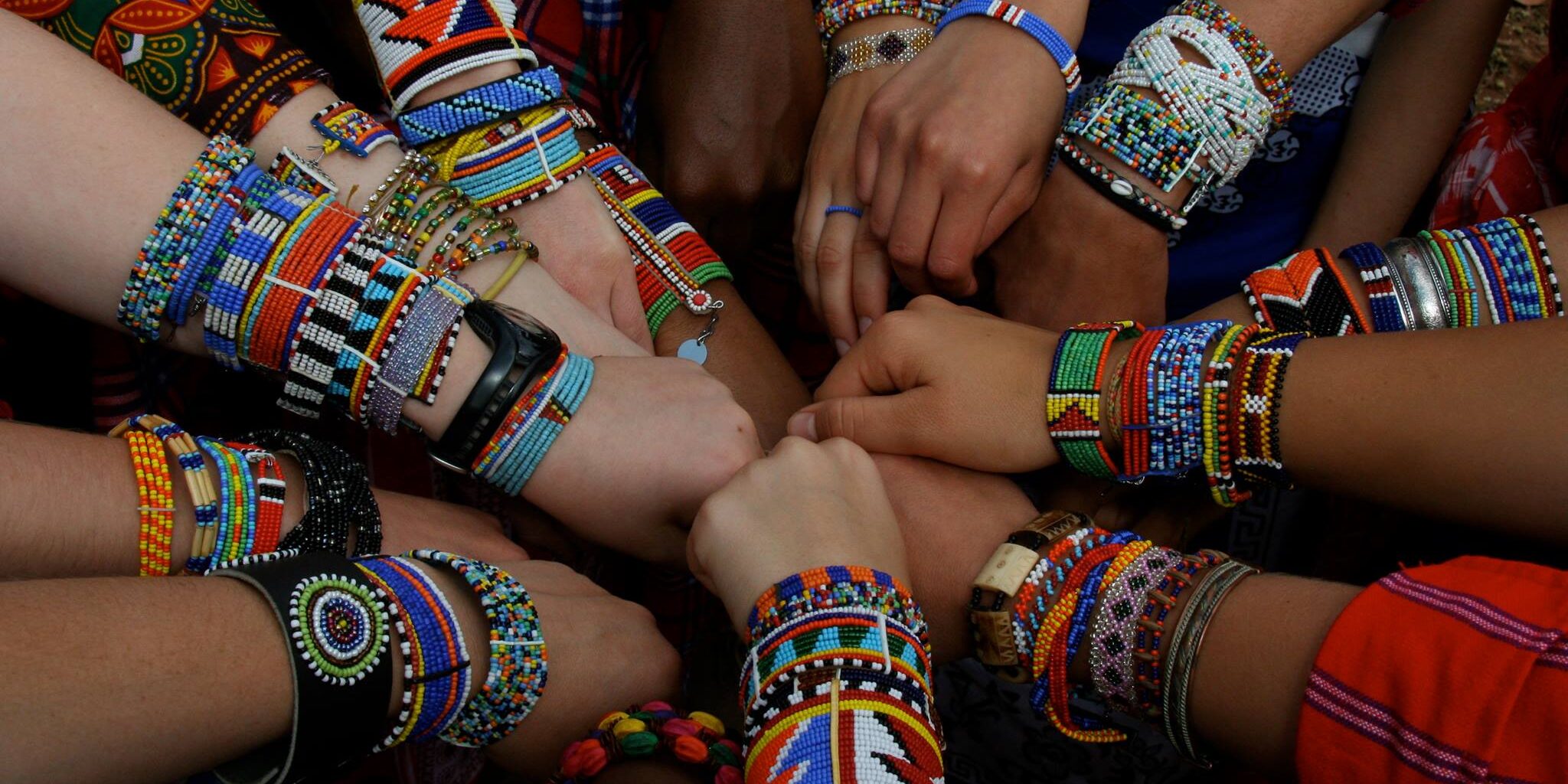
Beadwork is a central aspect of Maasai culture, and each design carries deep symbolic meaning. During your tour, you can take part in beadwork workshops, where you will learn to create your own Maasai jewelry. This activity gives you the opportunity to interact with Maasai artisans and learn about the symbolism behind different colors and patterns.
Besides beadwork, you might also explore other Maasai crafts such as pottery making, weaving, or leatherworking, which are essential to the Maasai way of life.
D. Maasai Storytelling
In many villages, the elders hold storytelling sessions around a fire. These stories convey history, wisdom, and morality, and they often explain the tribe’s connection to nature, the land, and their ancestors. Participating in a Maasai storytelling session is an unforgettable cultural experience that provides insight into the Maasai’s worldview.
5. Respect Local Etiquette and Traditions
While the Maasai people are incredibly welcoming, it’s important to approach your cultural tour with respect and awareness of local customs. Here are a few key cultural etiquette tips to keep in mind:
- Ask for Permission: Always ask for permission before taking photos of people, especially in rural Maasai villages. Some Maasai may not want their pictures taken due to cultural beliefs.
- Respect Dress Codes: When visiting a Maasai village or attending a cultural ceremony, dressing modestly is important. While wearing traditional Maasai attire for photos is often allowed, it’s best to ask beforehand.
- Support Local Economies: If you’re purchasing Maasai crafts or souvenirs, ensure that you’re buying from local artisans. This helps support the community and promotes sustainable tourism.
Conclusion: A Journey of Discovery and Connection
A cultural tour to the Maasai offers an extraordinary chance to witness the seamless blend of tradition. By carefully planning your trip, selecting the right tour operator, and choosing accommodations that offer cultural immersion, you can experience the Maasai’s unique way of life while exploring the rich natural beauty of this iconic African reserve. Whether you’re participating in traditional dances, learning the art of beadwork, or simply soaking in the wisdom shared by Maasai elders, a cultural tour to Maasai will provide you with lasting memories and a deeper understanding of one of Africa’s most fascinating cultures.